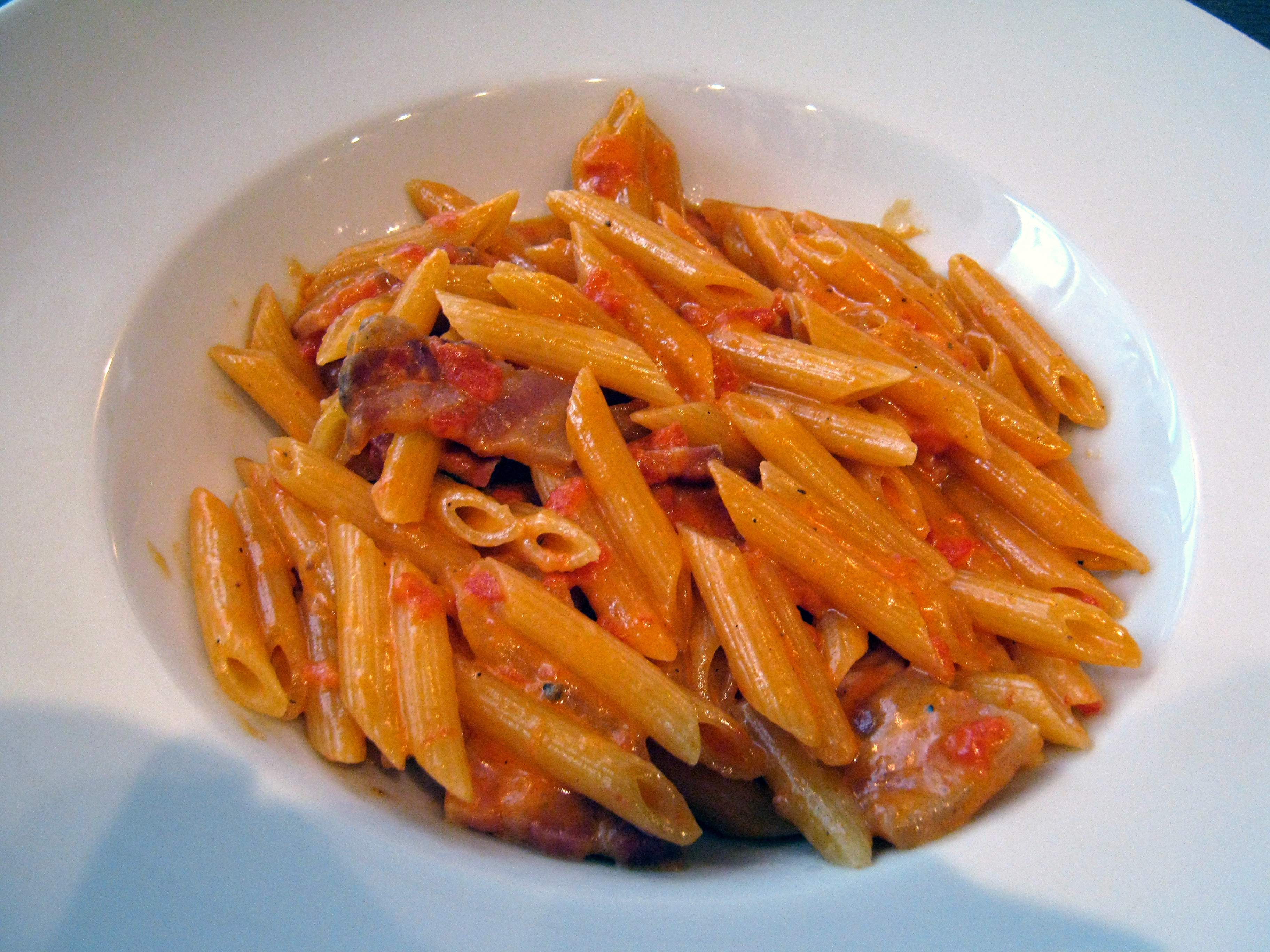
Pasta for Lunch
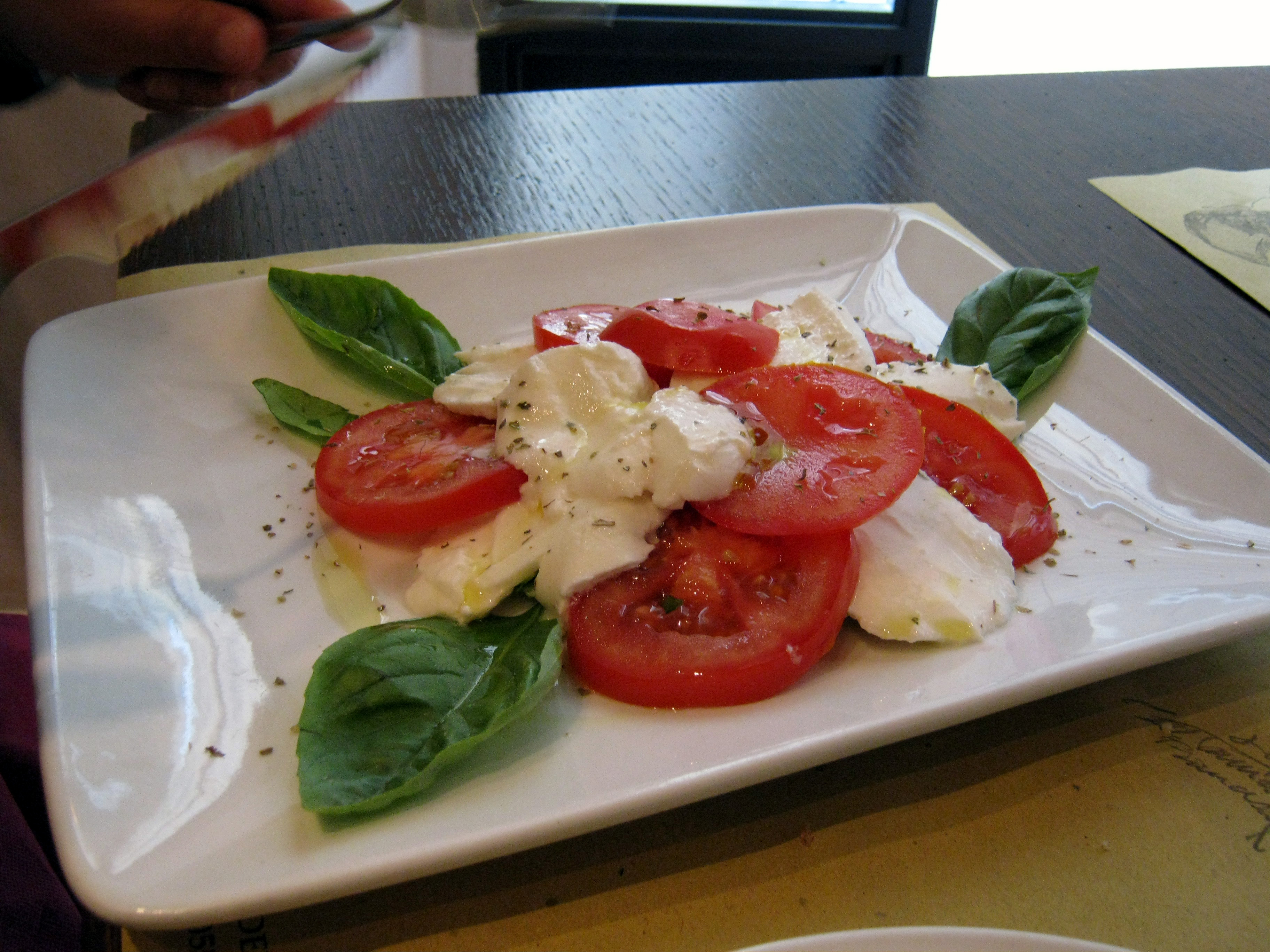
Caprese Salad
Back to Santa Croce Continue to Piazza della Signoria
The
Uffizi Gallery is one of the great art museums of the world, but didn’t start
out that way. It was built from
1560-1581 by Giorgio Vasari (though he didn’t live to see its completion) for
the Medici family as a building of offices (uffizi in Italian). From early on, the family stored part of its
art collection in the building, and this collection grew steadily over the
centuries of Medici power. With the
wealth and influence wielded by the Medici in
When
visiting the Uffizi, it’s very important to make a reservation in advance, if
at all possible. The number of people
allowed in the museum at one time is carefully regulated, and the line for
people showing up without reservations is long and extremely slow. If you aren’t going to
We walked over to the Uffizi from the Santa Croce church, stopping at a trattoria for a splendid (and gorgeous) lunch on the way.
Pasta for Lunch | Caprese Salad |
On arriving at the Uffizi,
we found ourselves early for our appointment, so we took some time to look
around in the courtyard a little. The
Uffizi is laid out as two long, parallel three-story buildings on either side
of a long, narrow courtyard. A walkway
connects the upper floors of the two buildings at the south end. The museum is housed in the top floor of both
buildings. The courtyard is a pathway
between the Piazza della Signoria to the north and the
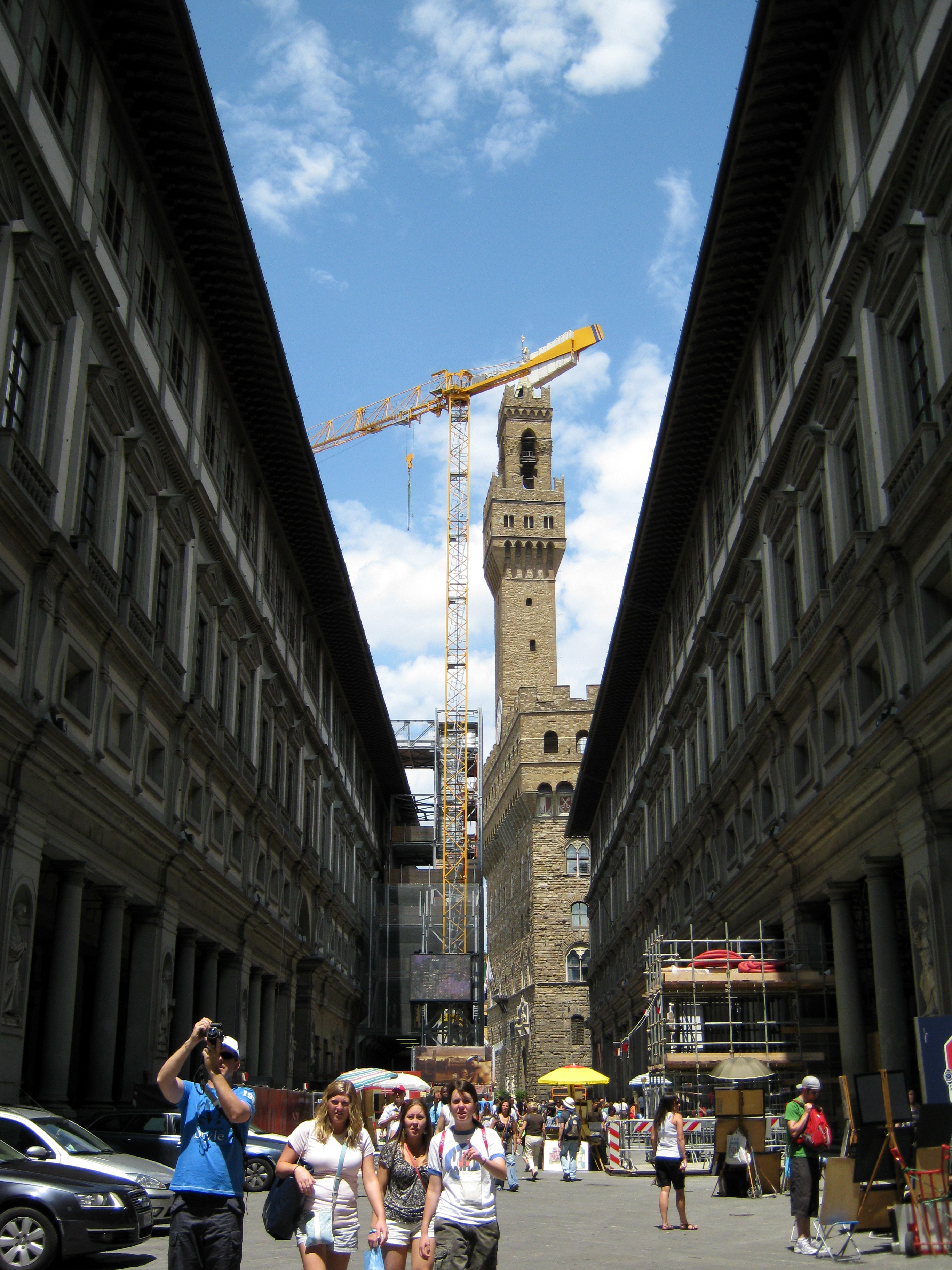
The Uffizi Courtyard
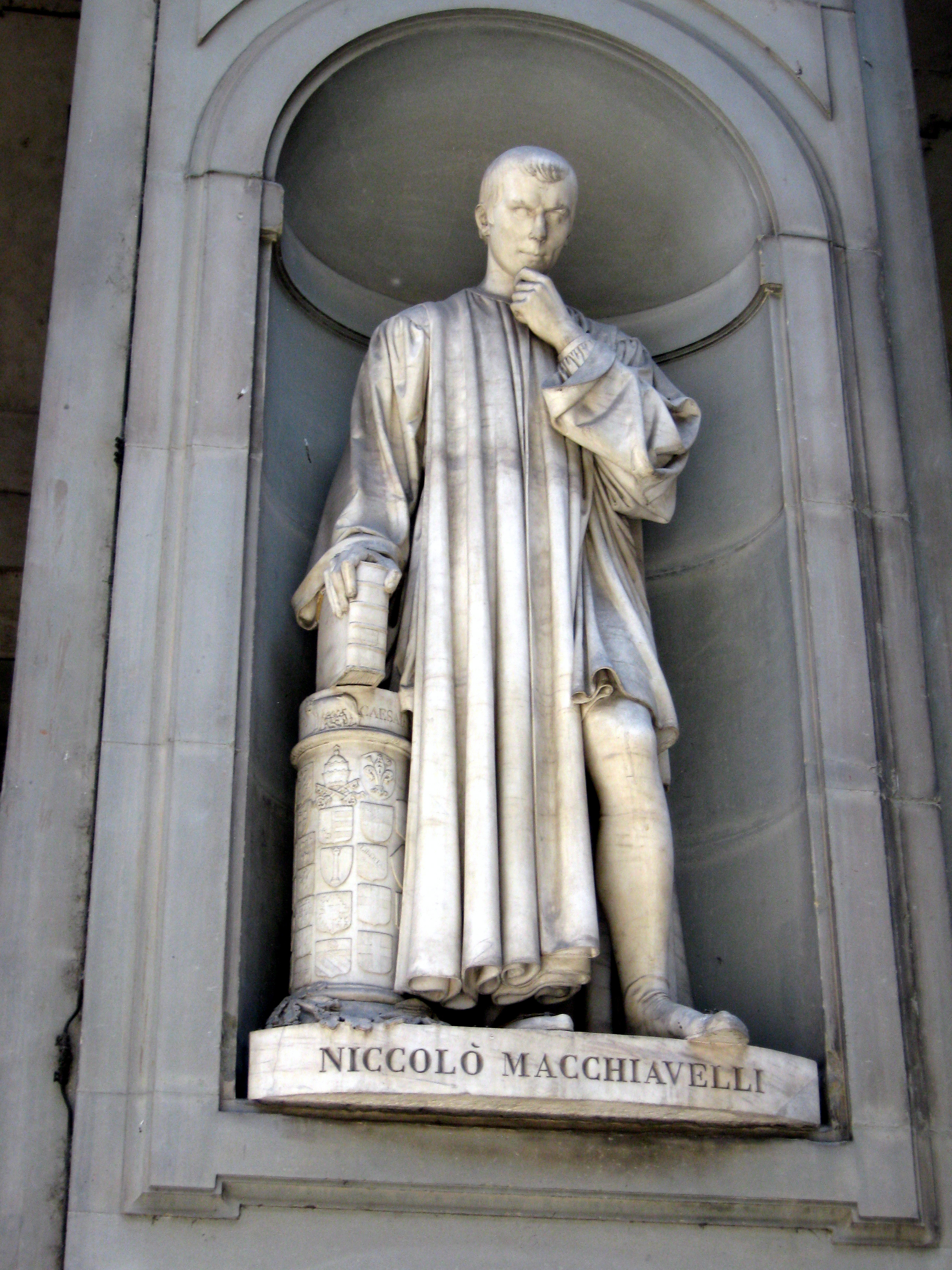 Niccolò Machiavelli Statue | 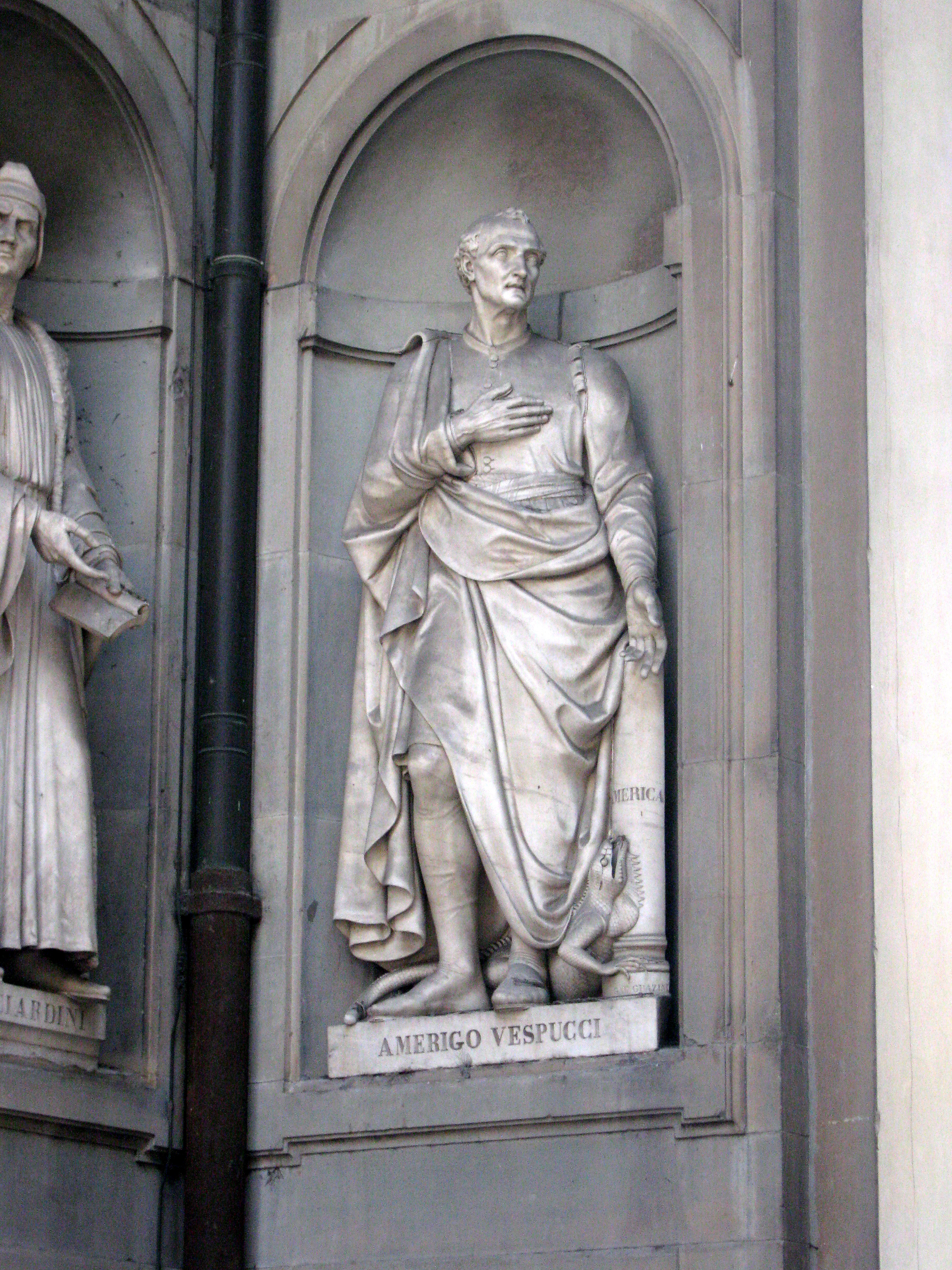 Amerigo Vespucci Statue |
We looked at some of the
statues of famous Florentines which face the courtyard from both sides and
walked southward, eventually reaching a spot with a nice view of the Arno (be
careful here – there is a narrow, open-to-traffic street between the end of the
museum and the wall overlooking the river).
A team of canoers was on the river, paddling downstream toward the Ponte
Vecchio. The Ponte Vecchio is a
picturesque old bridge (from 1345, the name actually means "Old Bridge") with shops all over it. Since 1593, the shops have been occupied by
goldsmiths. During World War II, the
retreating Nazis blew up all the bridges across the
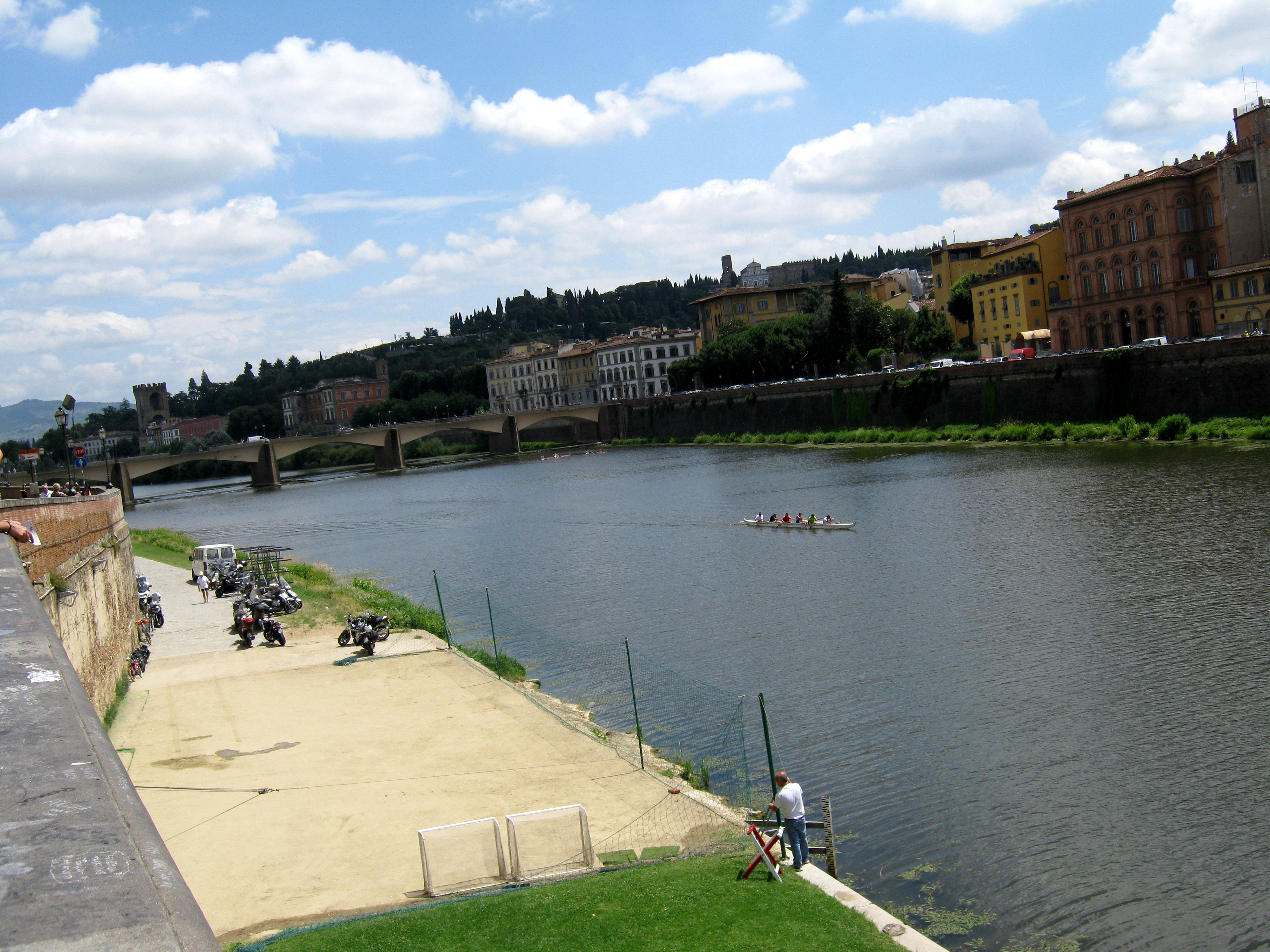
Upstream from the Uffizi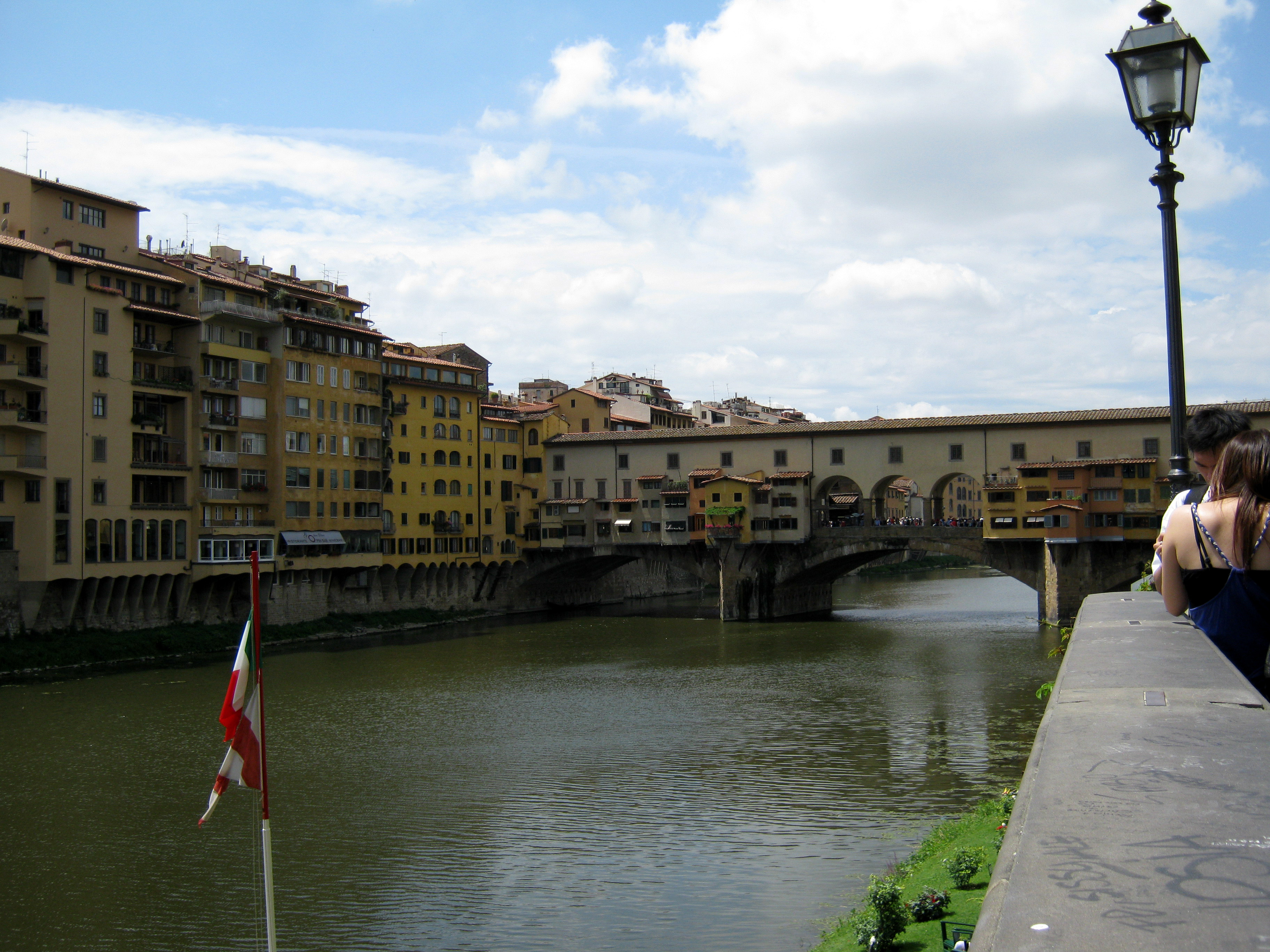
Ponte Vecchio
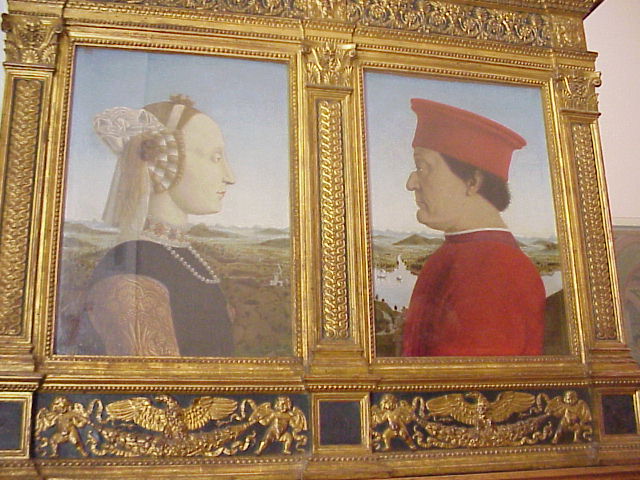
Duke and Duchess of Urbino, Piero della Francesca (1465-70)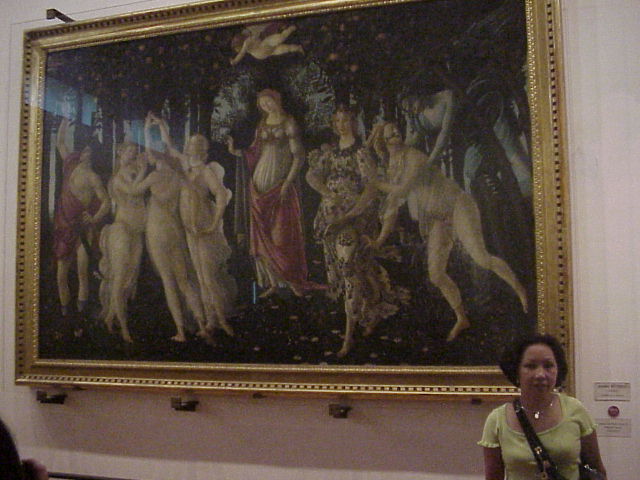
Nella with Primavera, Sandro Botticelli (c. 1482)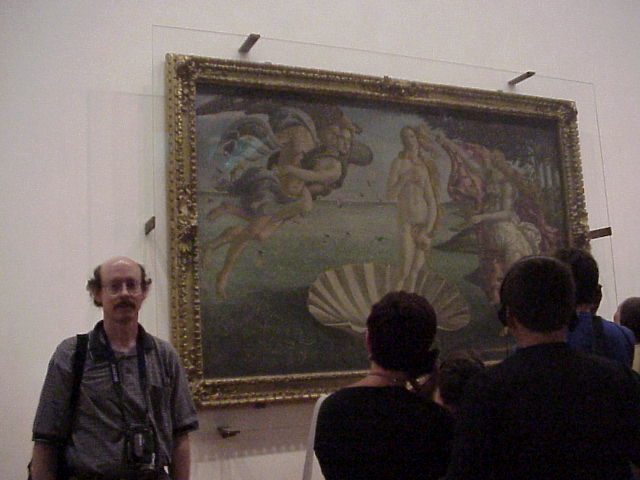
Bob with The Birth of Venus, Sandro Botticelli (c. 1485-87)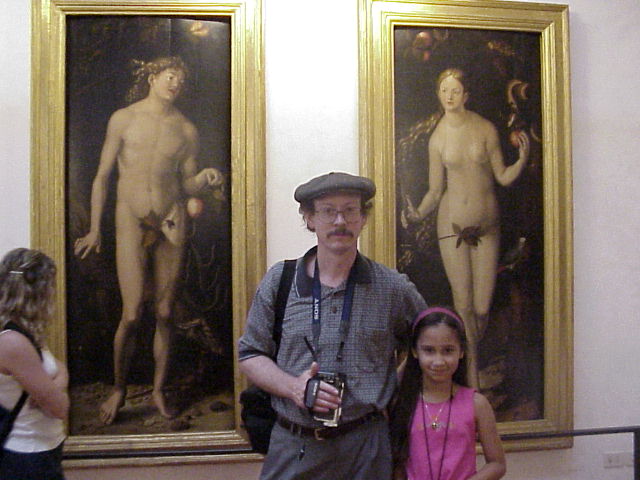
Bob and Connie with Adam and Eve, Hans Baldung Grien (1507)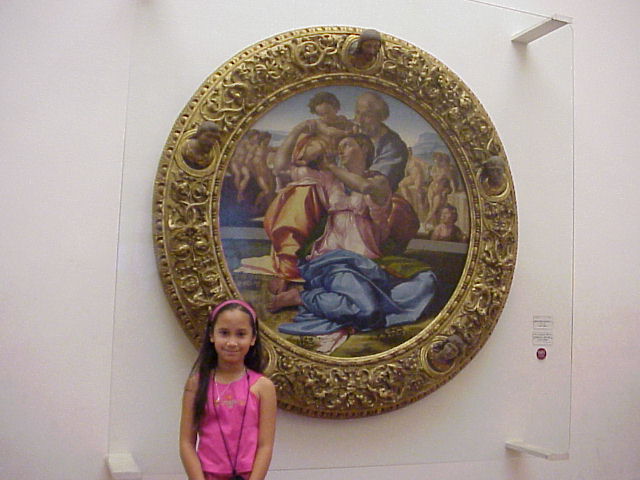
Connie and the Doni Tondo, Michelangelo (c. 1507)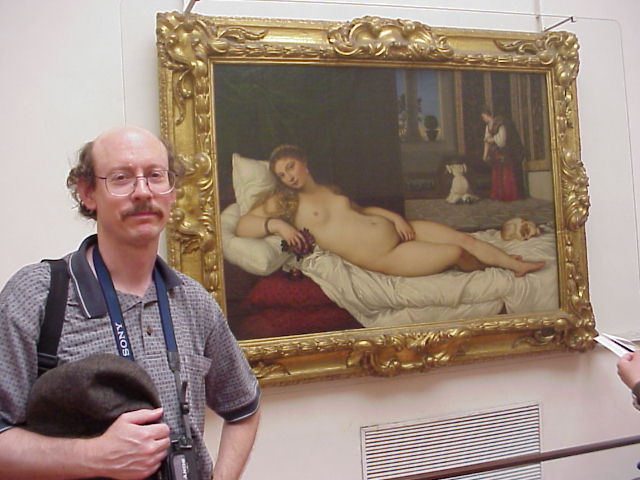
Bob and Venus of Urbino, Titian (1538)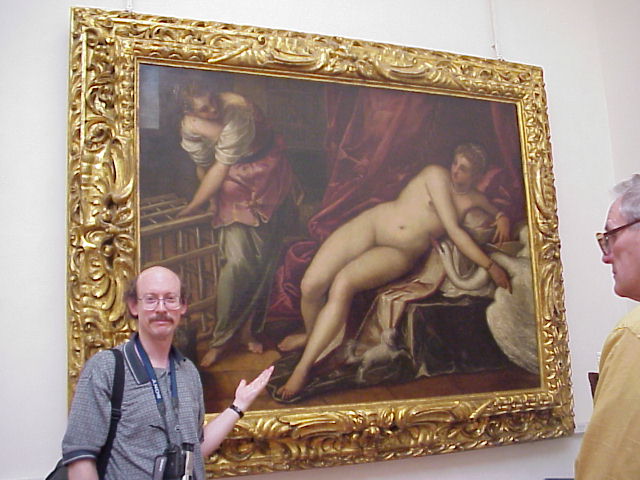
Bob and Leda and the Swan, Jacopo Tintoretto (c. 1570)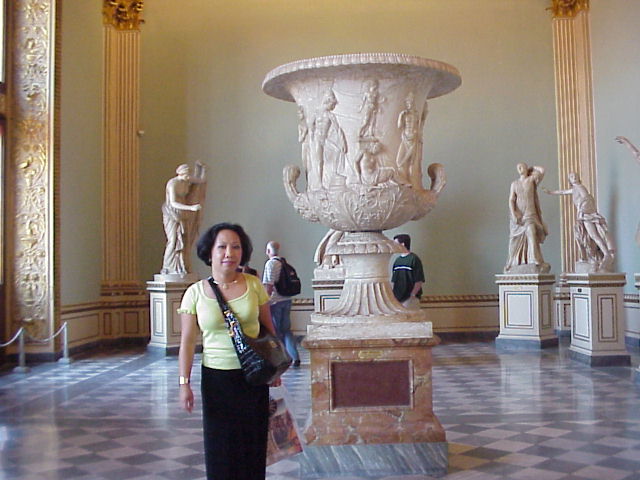
Nella and Urn
The
museum floors of both buildings are laid out with building-long hallways with
mostly classical statues on display and doorways leading into rooms with the
many paintings.
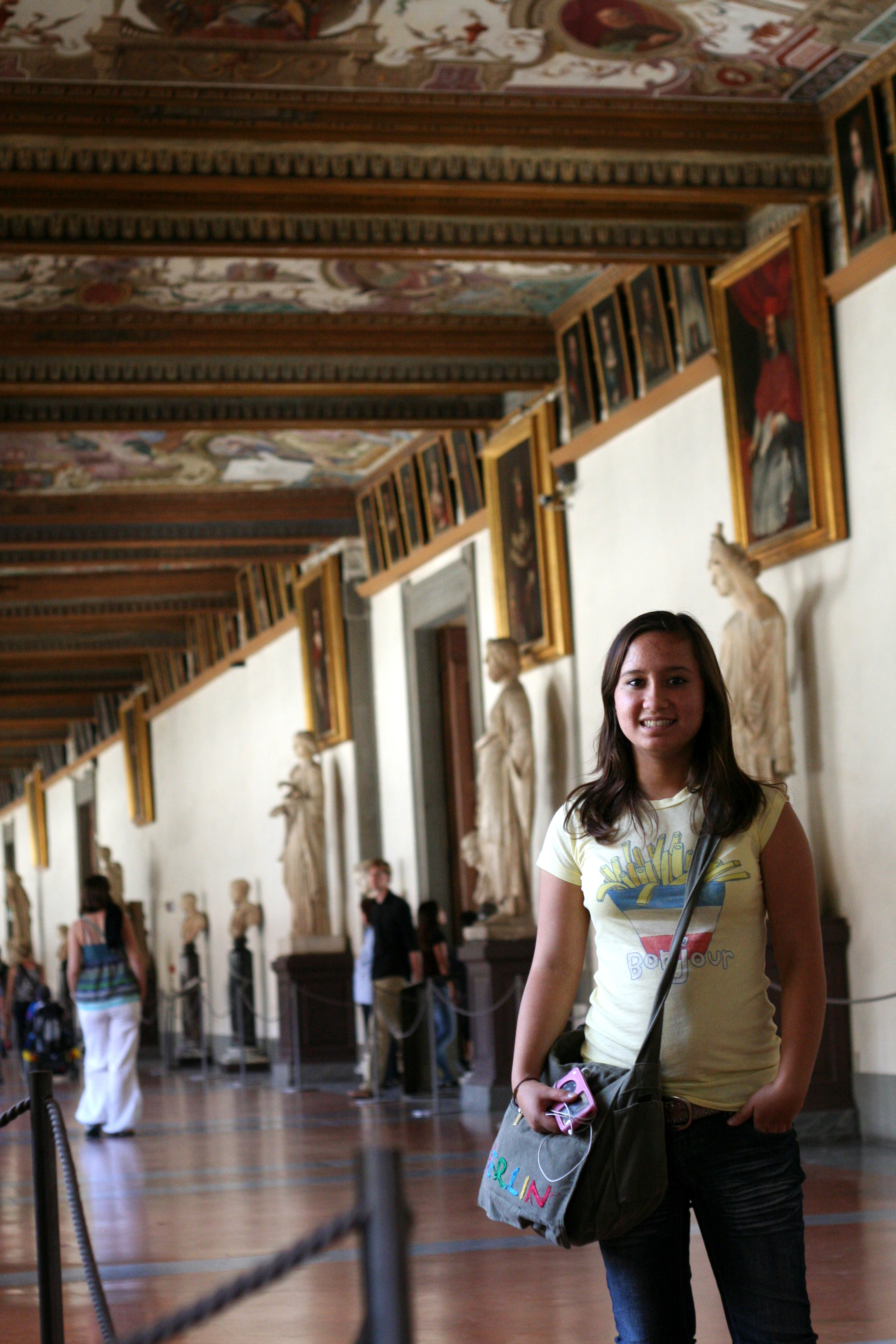 Connie in Hallway | 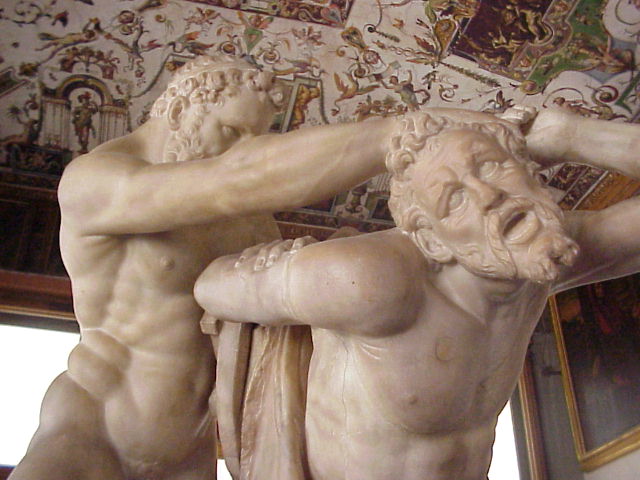 Roman Statue of Fighters |
At the south end of the western building is a good viewpoint of the Ponte Vecchio, as well as the Vasari Corridor.
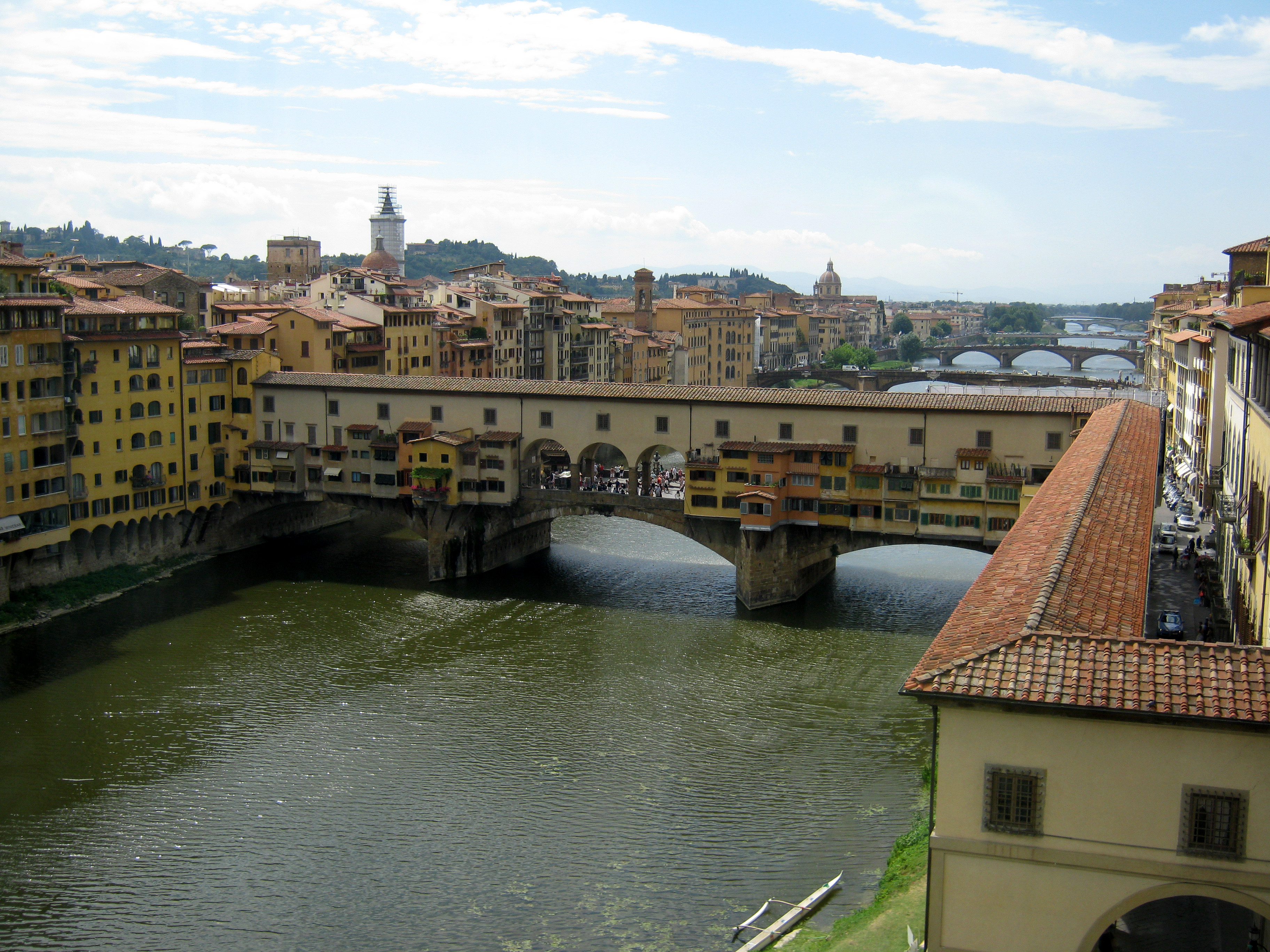
Ponte Vecchio and Vasari Corridor
The Vasari Corridor is an enclosed walkway that extends from the Palazzo Vecchio to the north (more on this later), through the Uffizi, out the south end of the Uffizi and across the top of the shops on the Ponte Vecchio, and across other buildings on the other side of the river to end eventually at the Pitti Palace. This made it possible for VIPs to walk back and forth between the palace and the center of government without having to worry about traffic (or the unwashed masses). The Corridor is usually closed to visitors, though apparently special tours are available.